‘Circles for Peace’
Global leaders, diplomats, technologists, artists, and young changemakers explore how “Circles for Peace” can reshape U.S.–China cooperation and global stability
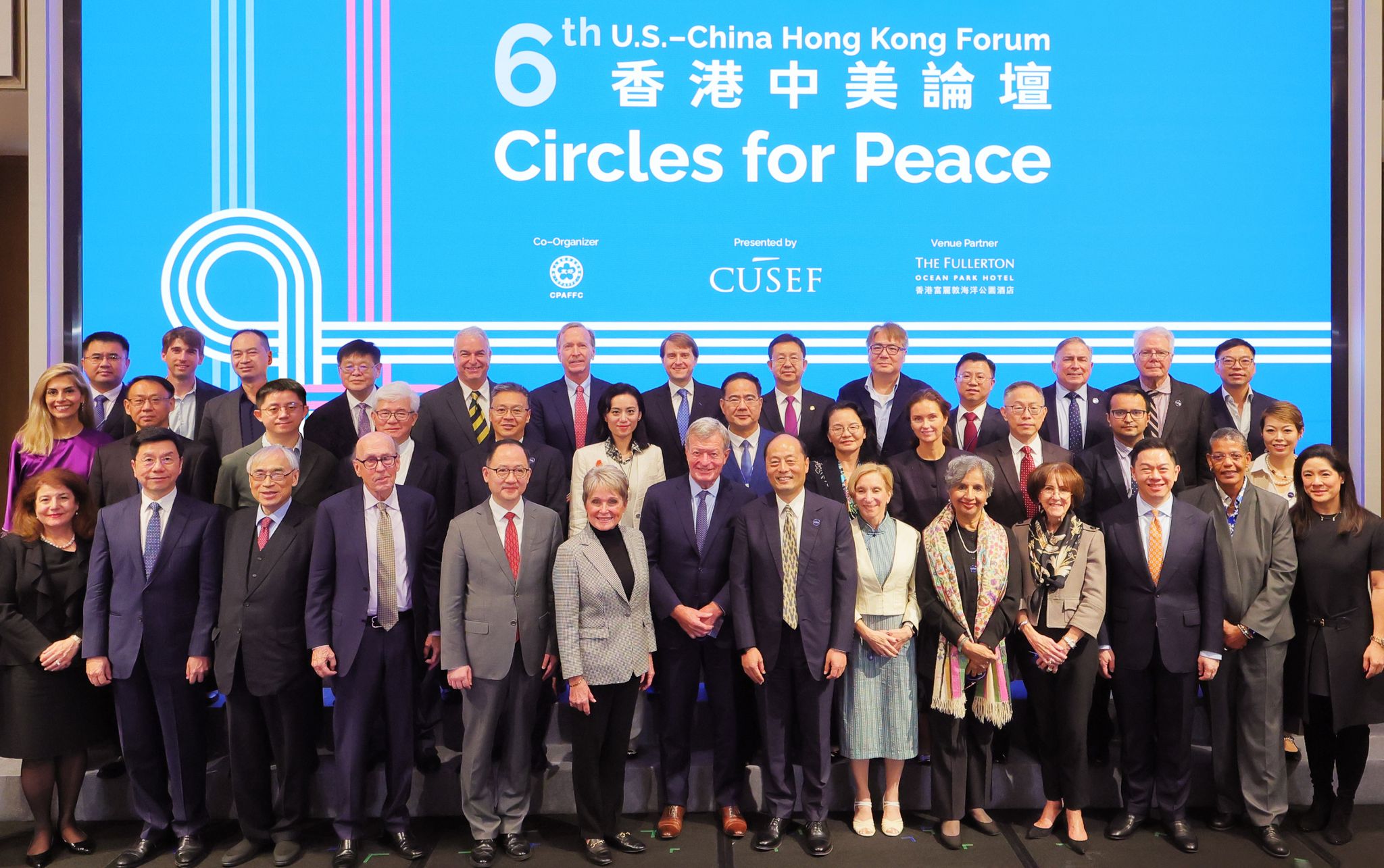
HONG KONG (November 17, 2025) —The 6th U.S.–China Hong Kong Forum opened today with global leaders urging the United States, China, and the broader international community to embrace shared leadership and deepen cooperation amid a period of profound global uncertainty.
Hosted by the China–United States Exchange Foundation (CUSEF) and co-organized with the Chinese People’s Association for Friendship with Foreign Countries (CPAFFC), with venue support from The Fullerton Hotels and Resorts, this year’s Forum gathered around 50 international delegates. Under the theme “Circles for Peace,” participants explored how technology, geopolitics, and people-to-people engagement can contribute to a more peaceful and predictable global future. About 300 guests participated in the Forum sessions throughout the day.
Leaders Call for Shared Responsibility and a Renewed Commitment to Peace
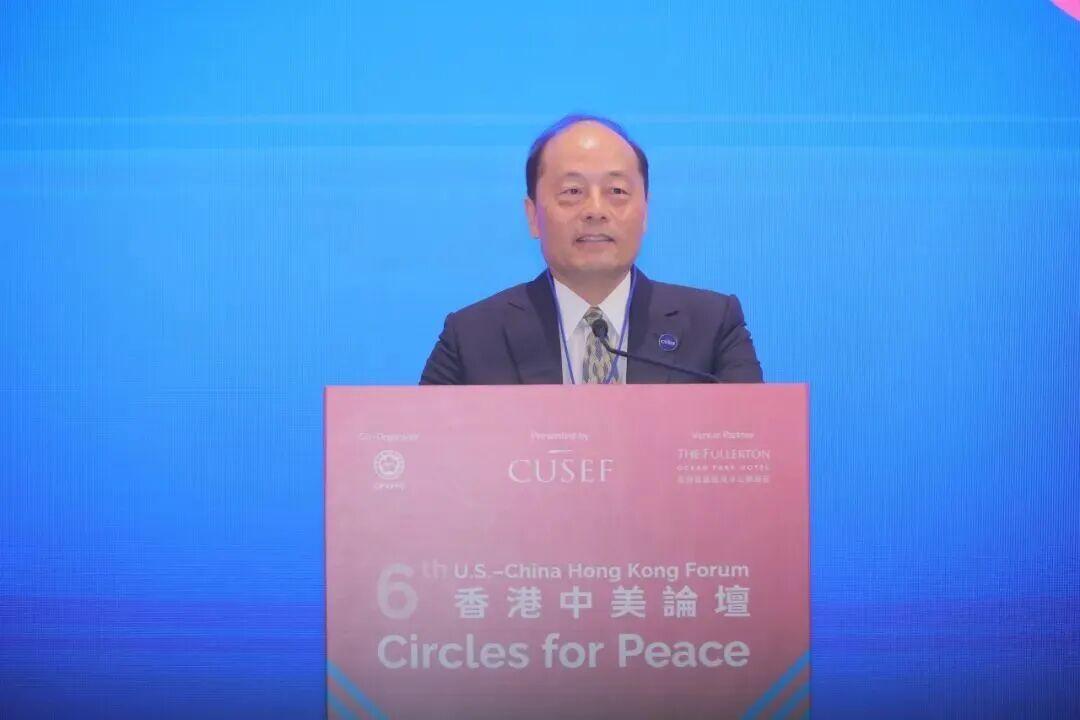
Opening the Forum, John Zhao, Chairman of CUSEF, underscored the complementary strengths of the United States and China: “The U.S. and China each bring different strengths and visions to the world: on one hand, a country that champions individual effort and rules-based engagement; and on the other, a country that values collective benefit and peaceful coexistence. If guided by mutual respect and understanding, the two nations could, once again, collaborate with shared leadership among other nations creating a more equitable and sustainable global order for human development.”
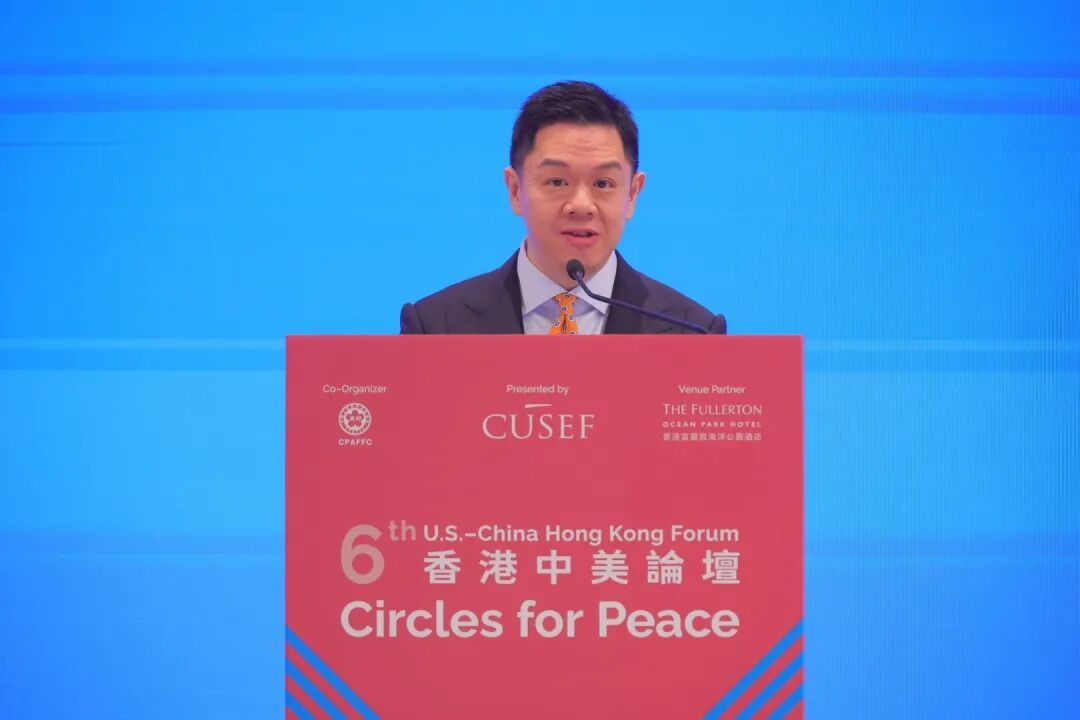
James Chau,President of CUSEF, highlighted the Forum’s role in strengthening cooperation across diverse fields: “We hope this Forum can advance progress and dialogue on a variety of fronts, from the value of collaboration in music and the arts to the historic effort to end the AIDS epidemic as part of the Sustainable Development Goals. These are areas where the people of America and China have always excelled, and where we can achieve even more by working together.”
In his remarks via video link, Xie Feng, Ambassador of China to the United States, said the recent Busan Summit between President Xi Jinping and President Donald Trump marked a pivotal moment in bilateral relations. “The Busan Summit is not the finish line, but a new starting point,” he said, urging both countries to turn the leaders’ consensus into concrete actions.
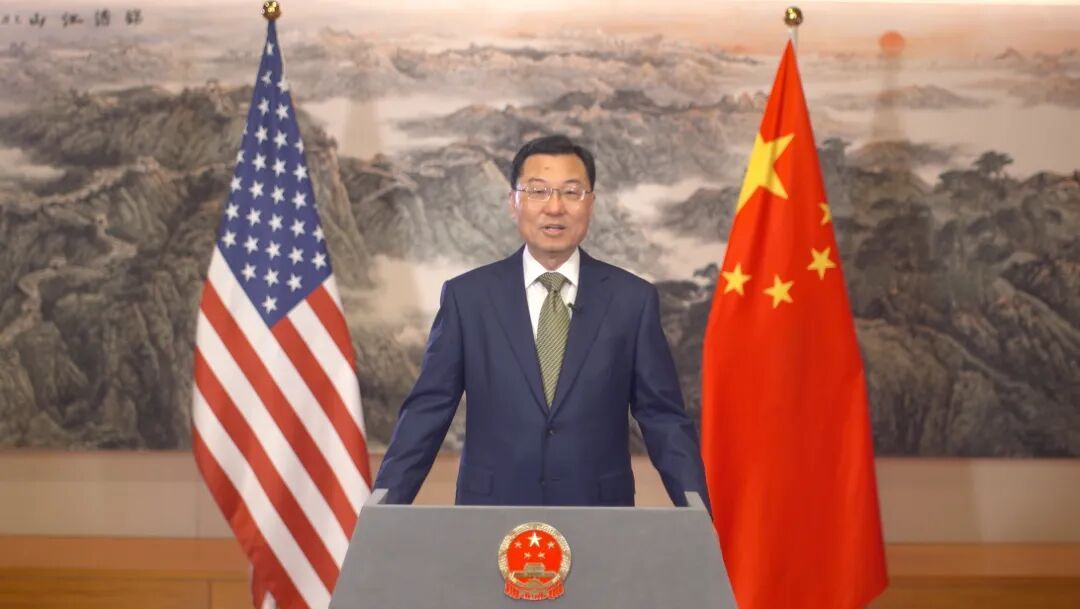
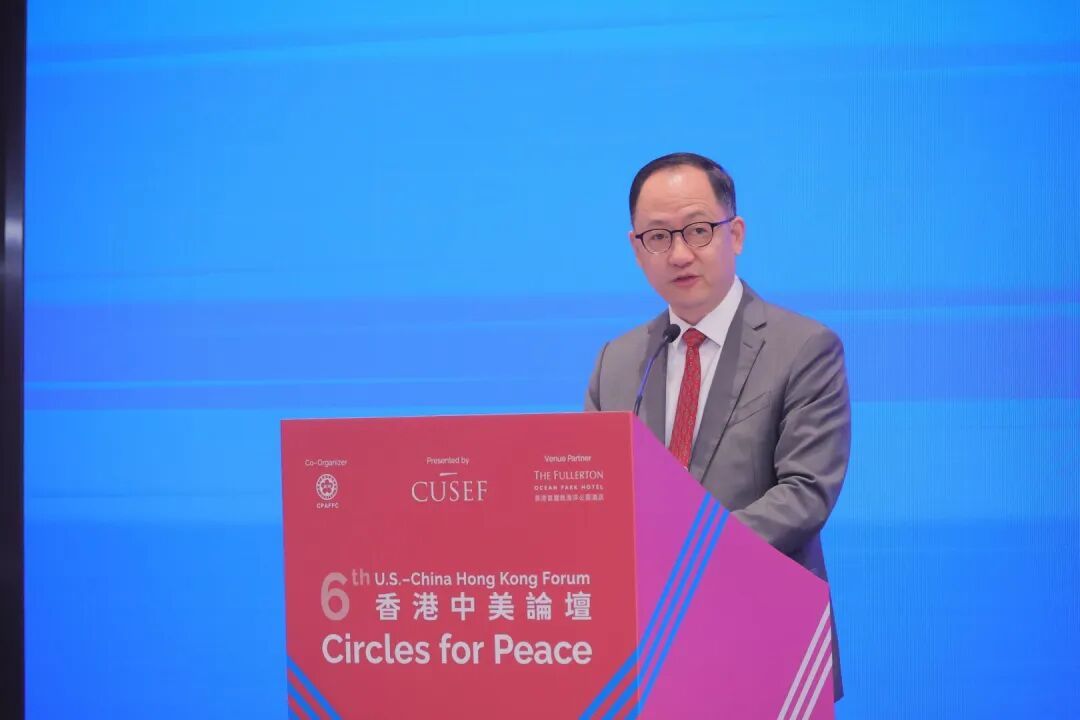
Ambassador Xie also reiterated President Xi’s view that China and the United States should be partners and friends, noting President Trump’s comment during the Busan summit that China is America’s “biggest partner” and that the relationship is poised to grow even stronger.
Shen Xin, Vice President of CPAFFC, emphasized three core principles essential for moving from vision to action: mutual respect, peaceful coexistence, and win-win cooperation. He stressed that equality-based dialogue produces far better outcomes than unilateral pressure or sanctions, noting that more than 30,000 young Americans have visited China in the past two years through President Xi’s initiative.
Reflections on the Path Forward
A range of distinguished speakers offered perspectives on the strategic, economic, and human dimensions of the U.S.–China relationship:
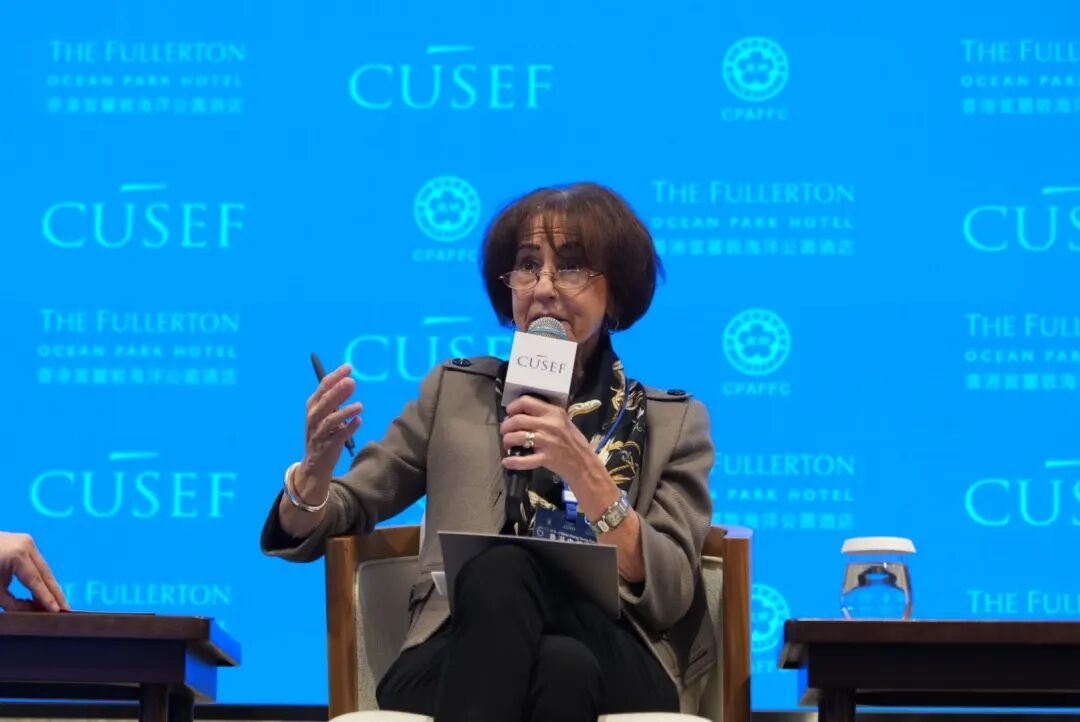
Charlene Barshefsky, Chair of the National Committee on U.S.–China Relations and former U.S. Trade Representative, reflected on the status of globalization and the threats it is under, saying, “A globalized future is absolutely for the better for all countries, provided we understand that benefits need to be shared… My fervent hope is that countries around the world don't choose between China and the U.S. I think that is very dangerous.”
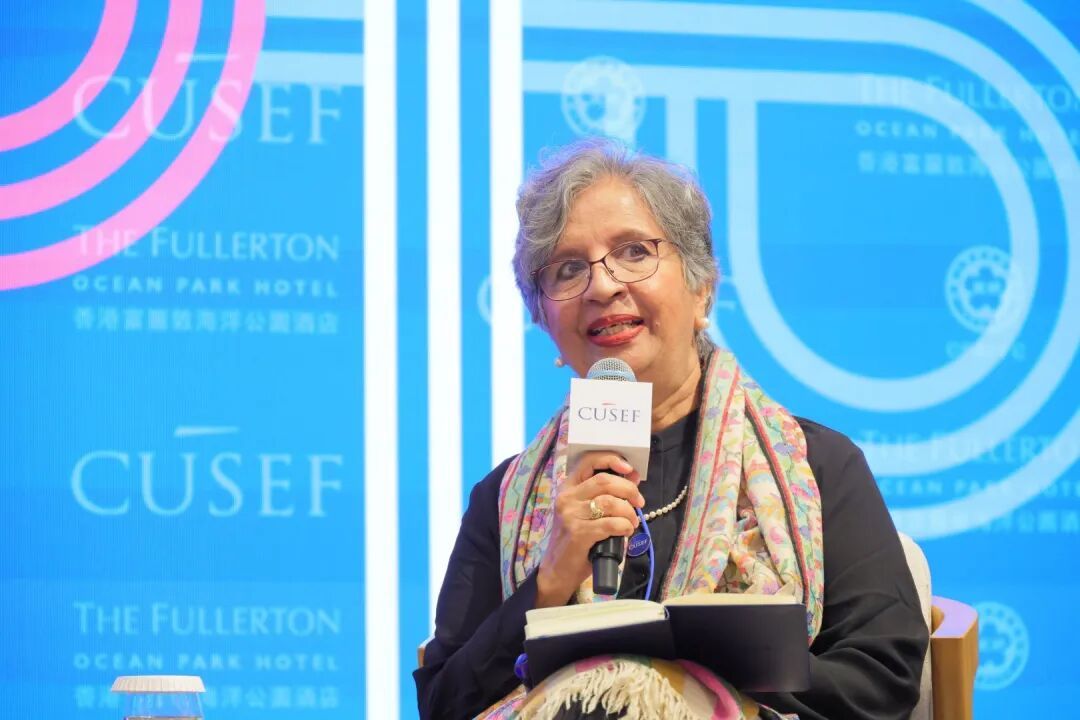
Nirupama Rao, former Foreign Secretary of India and former Ambassador of India to both China and the U.S., examined the role of third countries amid heightened geopolitical competition and called for greater global stability and a focus on human welfare. Speaking on the Forum’s theme of “Circles for Peace”, she said, “What the circle represents in our tradition is a symbol of wholeness, harmony, and protection… Today when we speak of strategic autonomy and multipolarity, peaceful coexistence is really the backbone of relations between nations… Yes, we want to preserve our national interest and national security, but it’s very important to maintain stability, balance, restraint, and responsibility.”
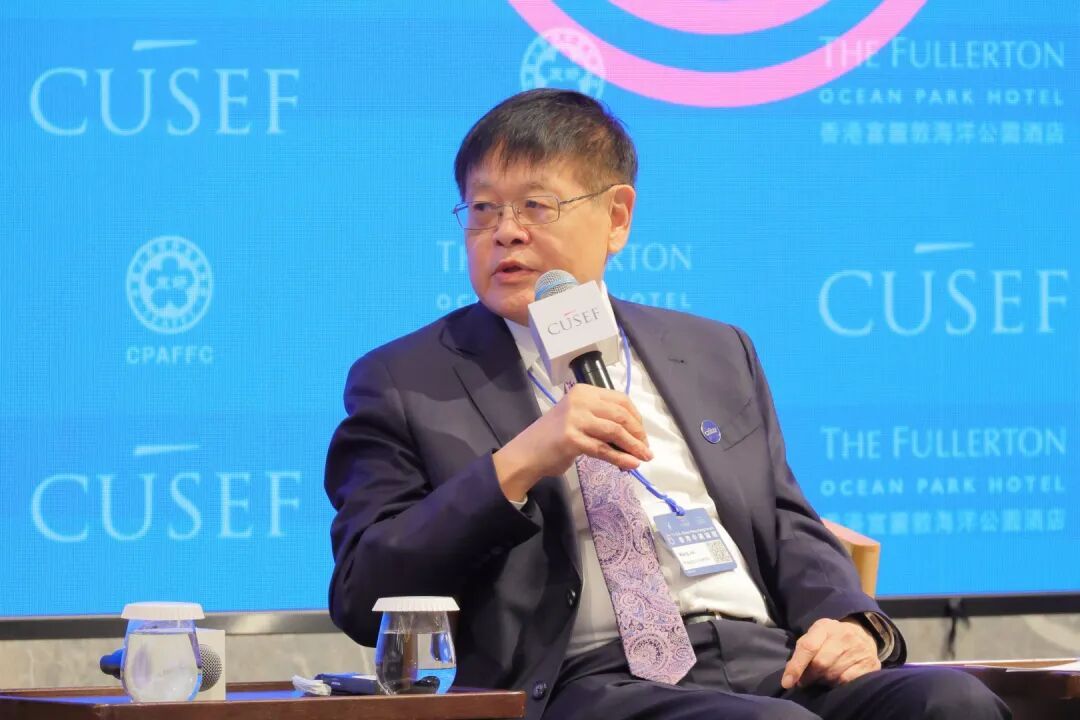
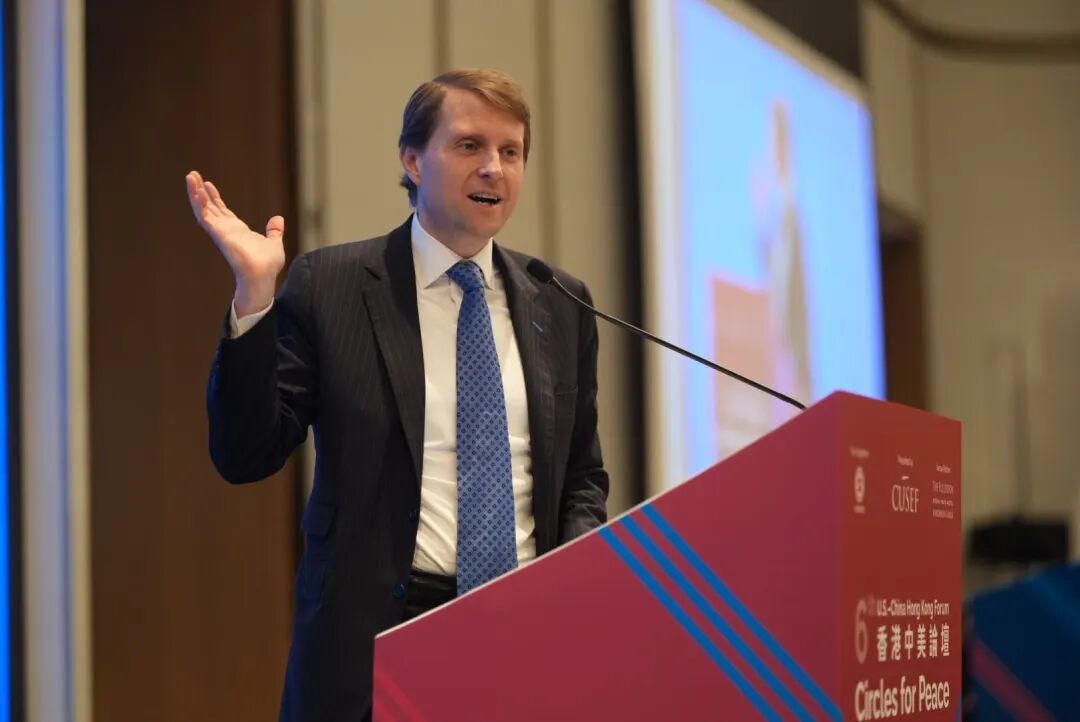
Wang Jisi, Founding President of the Institute of International and Strategic Studies at Peking University, stressed the importance of sustained long-term dialogue between Washington and Beijing. He said, “Peaceful coexistence and strategic competition are not mutually exclusive. I think we can still live in peace, but also have very serious competition between the two countries… Both the United States and China are rising powers, in different fashions and different ways. We have to cooperate. We have to deal with each other in a more meaningful and cooperative way.”
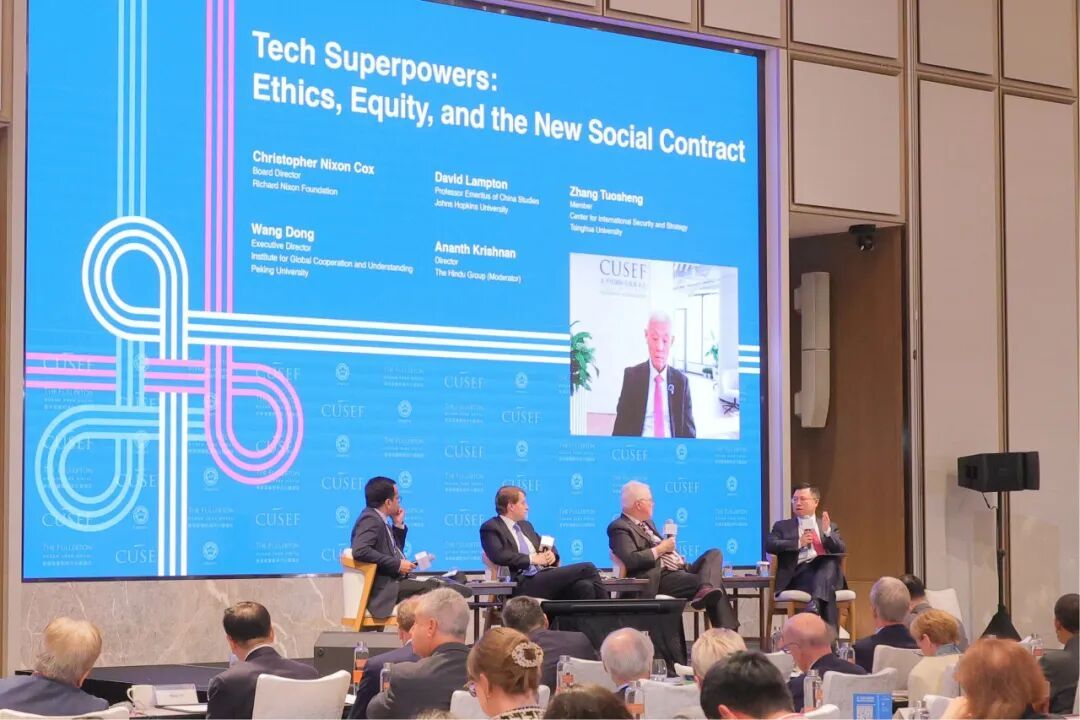
Christopher Nixon Cox, Board Member of the Richard Nixon Foundation, announced that the second meetings of the Nixon Dialogues will take place during the second day of the Forum. He also underscored the enduring relevance of trust-based dialogue rooted in the legacy of U.S.–China engagement that began with his grandfather President Richard Nixon in the 1970s, saying, “To engage in dialogue you have to approach people halfway. You have to visit them on their turf to learn about them, to understand them. It doesn't mean you bend to someone else’s will, but you understand more about where they come from… It was my grandfather that broke 20 years of non-communication between the Chinese and American people, by going to China and engaging with Chinese leaders, but also with the Chinese people.”
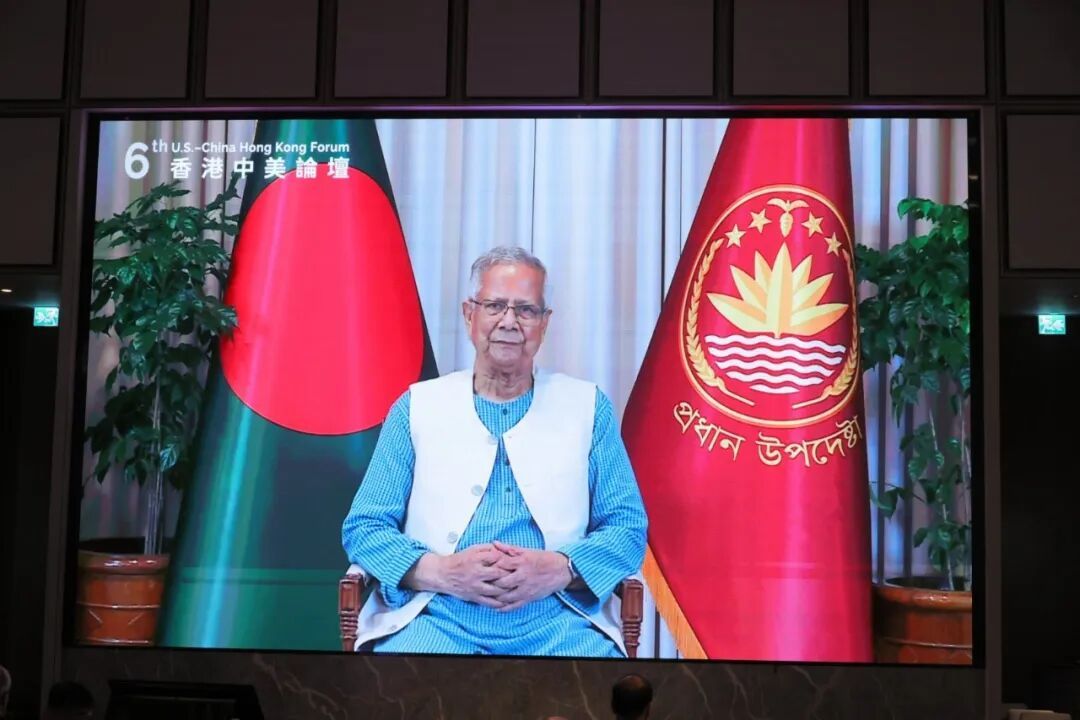
Later in the program, Professor Muhammad Yunus, leader of Bangladesh and Nobel Peace Prize laureate, delivered a keynote address emphasizing the moral foundations of cooperation: “In our century, leadership means partnership. Power is not the ability to command; it is the ability to unite. A circle of peace cannot be drawn by one nation alone — it must be drawn together.”
Remembering Shared History: Flying Tigers Tribute
The day began with a moving address by Dr. Robert Moore, a 101-year-old Flying Tigers veteran, who recalled how American volunteers and Chinese citizens forged deep bonds during World War II. The legacy of that cooperation was later commemorated in a special tribute session, “Flying Tigers: The Legacy of Courage and Cooperation.”
Four Key Takeaways
Across the program, four themes emerged:
Guardrails for Emerging Technologies: The need to ensure AI and other innovations strengthen rather than destabilize global society.
The Value of Third-Country Perspectives: A recognition that the U.S.–China relationship is shaped not only by two capitals but by the broader international community.
Rebuilding Trust in an Era of Competition: A call for renewed transparency, communication, and sustained engagement.
People as Bridges: The indispensable role of youth, educators, artists, and civil society in advancing cooperation where politics alone cannot.
Looking Ahead to Day Two
Professor Wang Dong, Full Professor with Tenure at School of International Studies, Peking University and Executive Director of the Institute for Global Cooperation and Understanding, attended this year's Hong Kong China-U.S. Forum and participated in the Plenary Session of the forum as well as the “Nixon Dialogue”.
On November 17th, at the Plenary Session of the forum, Professor Wang Dong argued that regulation should target the system and behavior rather than specific companies, and establish a combination of soft and hard barriers. The key lies in integrating regulation into the innovation strategy. While formulating specific algorithm guidelines, China also promotes open collaboration through measures such as the “Global Governance Action Plan for Artificial Intelligence” to balance innovation and security.
On the afternoon of November 18th, Professor Wang Dong participated in the “Nixon Dialogue”, which was initiated by Christopher Nixon Cox, the grandson of former US President Nixon and a member of the board of the Richard Nixon Foundation. The dialogue aims to promote dialogue between China and the United States. At this year's Hong Kong China-US Forum, the “Nixon Dialogue” was launched for the first time in China.
During the forum, Professor Wang Dong was interviewed by various media outlets including Xinhua News Agency, China News Service, China Daily, Ta Kung Pao, Wen Wei Po, South China Morning Post, Bloomberg, China Review News Agency, Ifeng News, and Dian Xiang News. He expounded on China's position regarding the Busan summit, Sino-US relations, and the remarks made by Sanae Takaichi on Taiwan Question, and expressed the views of Chinese scholars.







 Subscription