Experts Discuss Building Global Consensus on AI Guardrails at Peking University
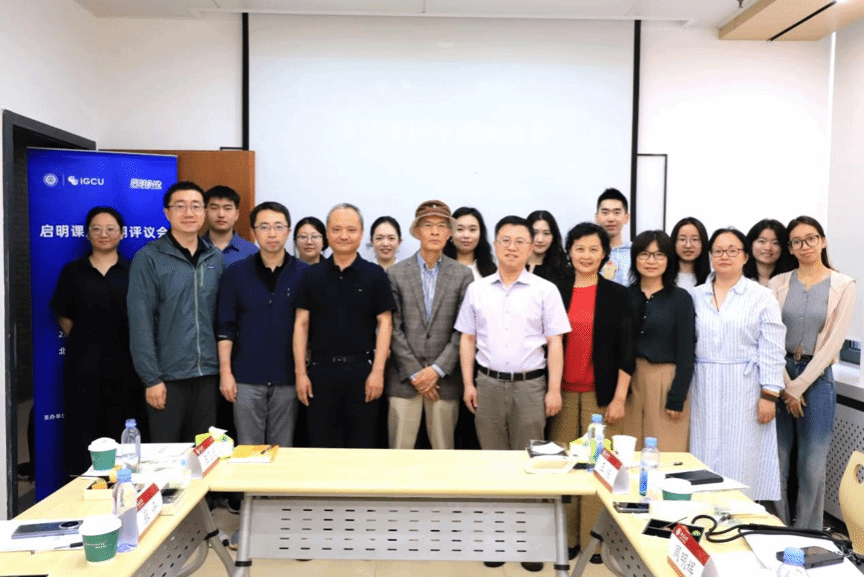
A mid-term review meeting for the research project “Building a Global Consensus on Artificial Intelligence Guardrails” was successfully held on June 6 at the School of International Studies, Peking University. The project is organized by the Institute for Global Cooperation and Understanding (iGCU) at Peking University and supported by Qiming Venture Partners.
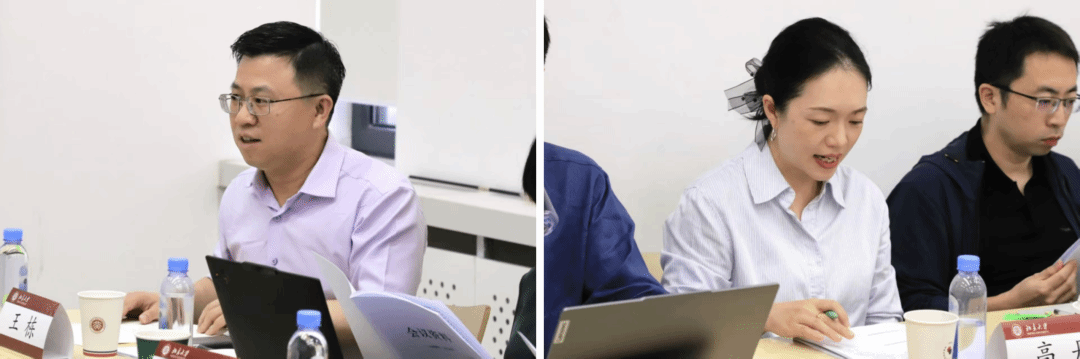
At the opening of the meeting, Wang Dong, Professor at the School of International Studies and Executive Director of the Institute for Global Cooperation and Understanding, presented the project's latest progress and introduced its first research report, International Landscape of Artificial Intelligence Governance.
The meeting was chaired by Gao Dan, Associate Research Fellow at the School of International Studies, Peking University.
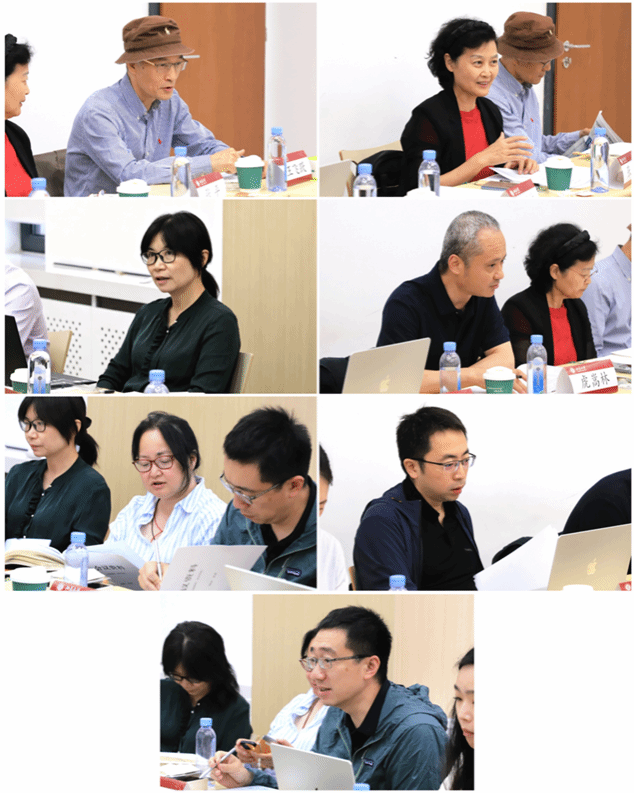
Distinguished experts from academia, law, computer science, artificial intelligence, and communication studies participated in the review session. Attendees included Wang Feiyue, Research Professor at the Institute of Automation of the Chinese Academy of Sciences; Zhang Ping, Professor at Peking University Law School and Director of the AI Safety and Governance Center at the Institute for Artificial Intelligence, Peking University; Zhou Minghui, Vice Dean and Professor of the School of Computer Science, Peking University; Hu Songlin, Research Professor at the Institute of Information Engineering, Chinese Academy of Sciences; Qian Yiqin, Associate Professor at the School of Journalism and Communication, Beijing Normal University; Dai Xin, Vice Dean and Tenured Associate Professor of Peking University Law School; and Li Bo, Associate Professor and Vice Dean of the Institute for Artificial Intelligence, Peking University.
Project team members attending the meeting included Wang Dong, Gao Dan, Qiu Ji, a Ph.D. student enrolled in 2025 at the Institute of Area Studies, Peking University, and Zhang Xueyu, Research Assistant at the Institute for Global Cooperation and Understanding.
The discussion focused on evaluating the project's first report, International Landscape of Artificial Intelligence Governance. Experts offered detailed feedback on a wide range of issues, including risk classification, governance frameworks, technological and industrial development, and the relationship between innovation and security.
Participants highlighted the importance of developing comprehensive governance mechanisms capable of addressing the opportunities and risks associated with rapidly advancing AI technologies. They also emphasized the need to strengthen international dialogue and cooperation in order to promote responsible AI development and enhance global governance capacity.
Concluding the meeting, Professor Wang Dong expressed his appreciation for the experts’ valuable recommendations. He noted that the research team would carefully incorporate the suggestions raised during the discussion and further refine the report.
According to Wang, the project aims to produce high-quality research that reflects both the academic standards of Peking University and China's perspectives on global governance. The findings are expected to provide scholarly support and policy references for international efforts to improve AI governance and build broader consensus on the development of effective guardrails for artificial intelligence.







 Subscription