On September 12, the 2026 Thematic Forum of the China International Fair for Trade in Services, titled “Building Smart Cities and Space Infrastructure in a Changing World — Release of the 2026 APEC Smart City Ranking and the 2026 Global Space Infrastructure Assessment,” was held at Shougang Park in Beijing. The forum was co-hosted by the Institute for Global Cooperation and Understanding (iGCU) at Peking University and the Institute of Urban Internationalization Studies at Zhejiang International Studies University (ZISU), and jointly supported by Harbor Overseas, the Center for Science and Technology Development and Governance at Tsinghua University, and the School of Public Policy at The Chinese University of Hong Kong, Shenzhen. During the forum, the 2026 APEC Smart City Ranking and the 2026 Global Space Infrastructure Assessment were jointly released, contributing a “Chinese framework” and an “action guide” to the global development of smart cities and space infrastructure.
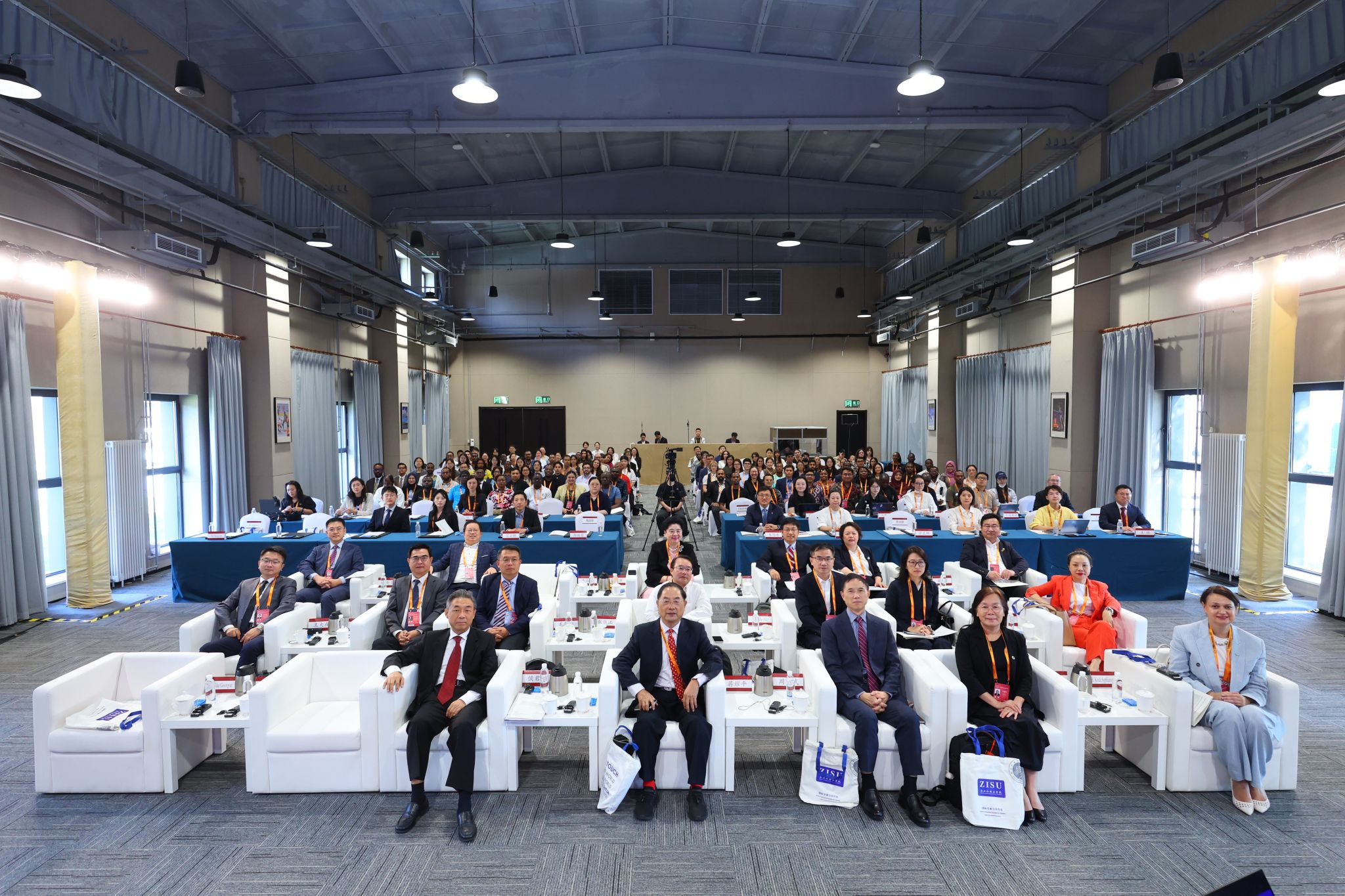
Group Photo of Participating Guests
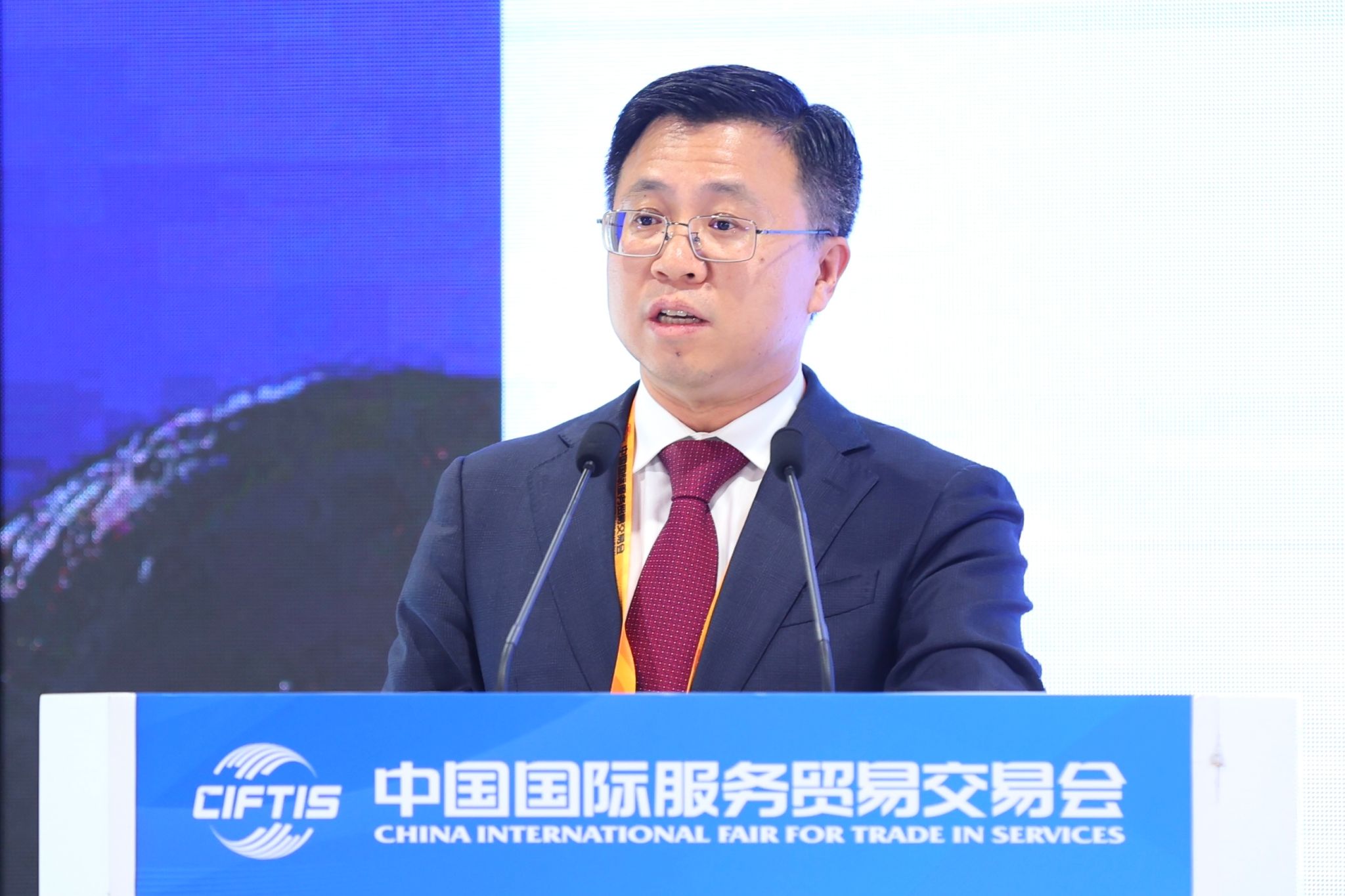
Wang Dong Moderates the Forum
The forum was moderated by Wang Dong, Professor at the School of International Studies, Peking University, and Executive Director of the Institute for Global Cooperation and Understanding (iGCU) at Peking University. Wang noted that the annual theme of this year's China International Fair for Trade in Services is “Global Services, Shared Prosperity.” As digitalization and intelligent technologies continue to advance, the development of smart cities and space infrastructure is not only generating new momentum for economic and social development and innovation in urban governance, but also opening new avenues for the international community to deepen exchanges and cooperation and jointly address global challenges. In the face of unprecedented development opportunities and a complex, rapidly changing global environment, it is all the more important to uphold openness and inclusiveness, promote exchange and mutual learning, build consensus through cooperation, and achieve shared gains through joint efforts.
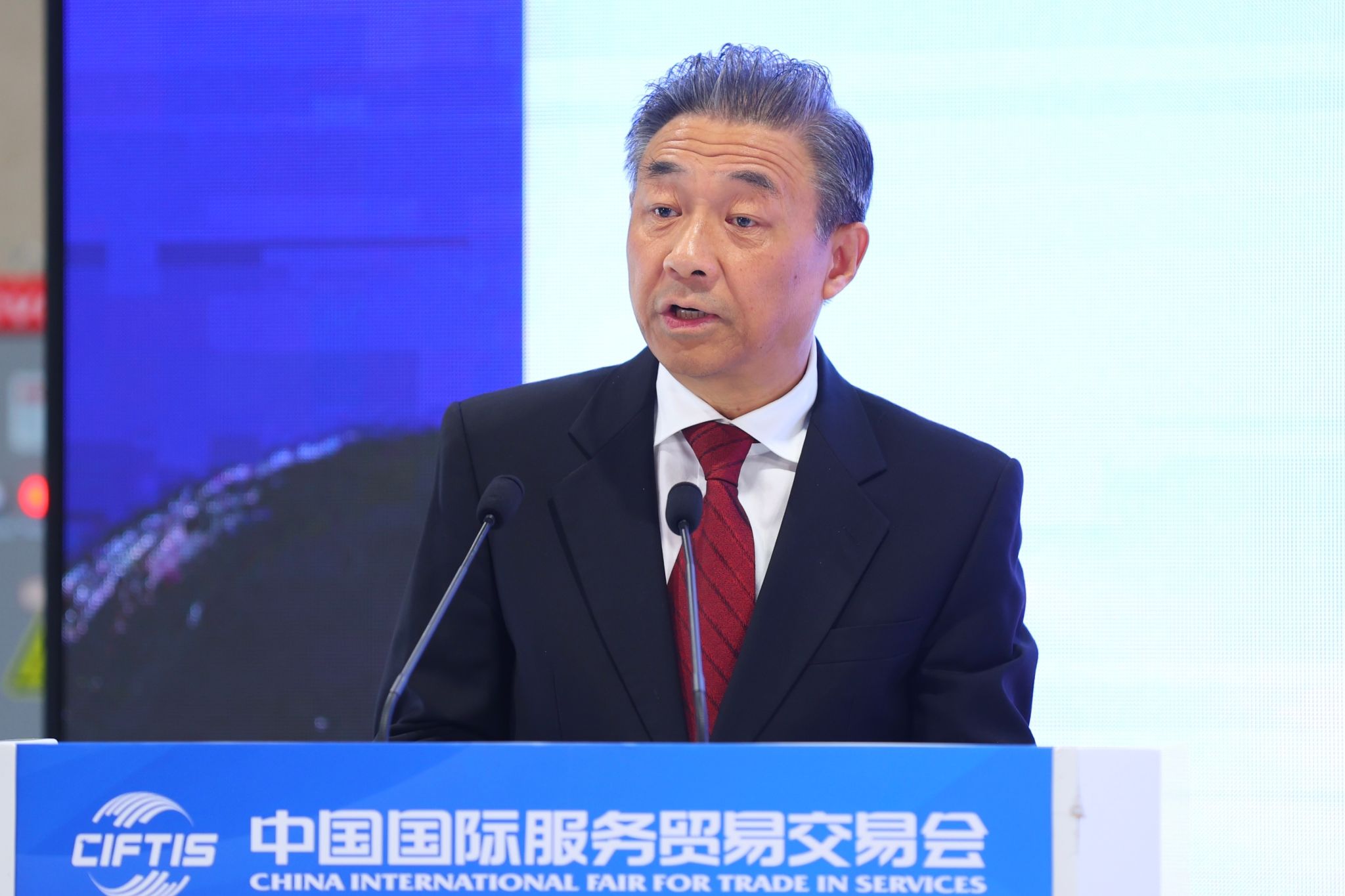
Hou Junshu Delivers Remarks
In his opening remarks, Hou Junshu, Member of the Leading Party Members Group and Vice Chairperson of the Standing Committee of the Beijing Municipal People's Congress, said that Beijing regards the development of smart cities and space infrastructure as an important means of grounding its work in the new development stage, applying the new development philosophy, fostering a new development paradigm, and promoting high-quality development. Beijing has achieved a series of tangible results, steadily improving the city's operational efficiency and residents' sense of gain. At the same time, Beijing is actively developing the extraterrestrial industrial chain, promoting the deep integration of the aerospace information industry with urban digital transformation, and building cross-border and cross-regional infrastructure characterized by integrated space-ground systems and cloud-network convergence, thereby better empowering urban governance and serving residents. The Beijing Municipal People's Congress has consistently focused on central priorities and the overall development agenda, incorporating emerging fields such as smart cities and space infrastructure into key areas of legislation and oversight so that scientific and technological innovation always serves the people, the city, and the country. Looking ahead, Beijing will continue to leverage its strengths as the capital, together with its scientific, technological, and institutional advantages, and work with countries, regions, and market entities to strengthen academic exchange, technological collaboration, policy learning, and joint project development; create smart, resilient, and sustainable cities of the future; and jointly write a new chapter in the coordinated development of Earth and extraterrestrial space.
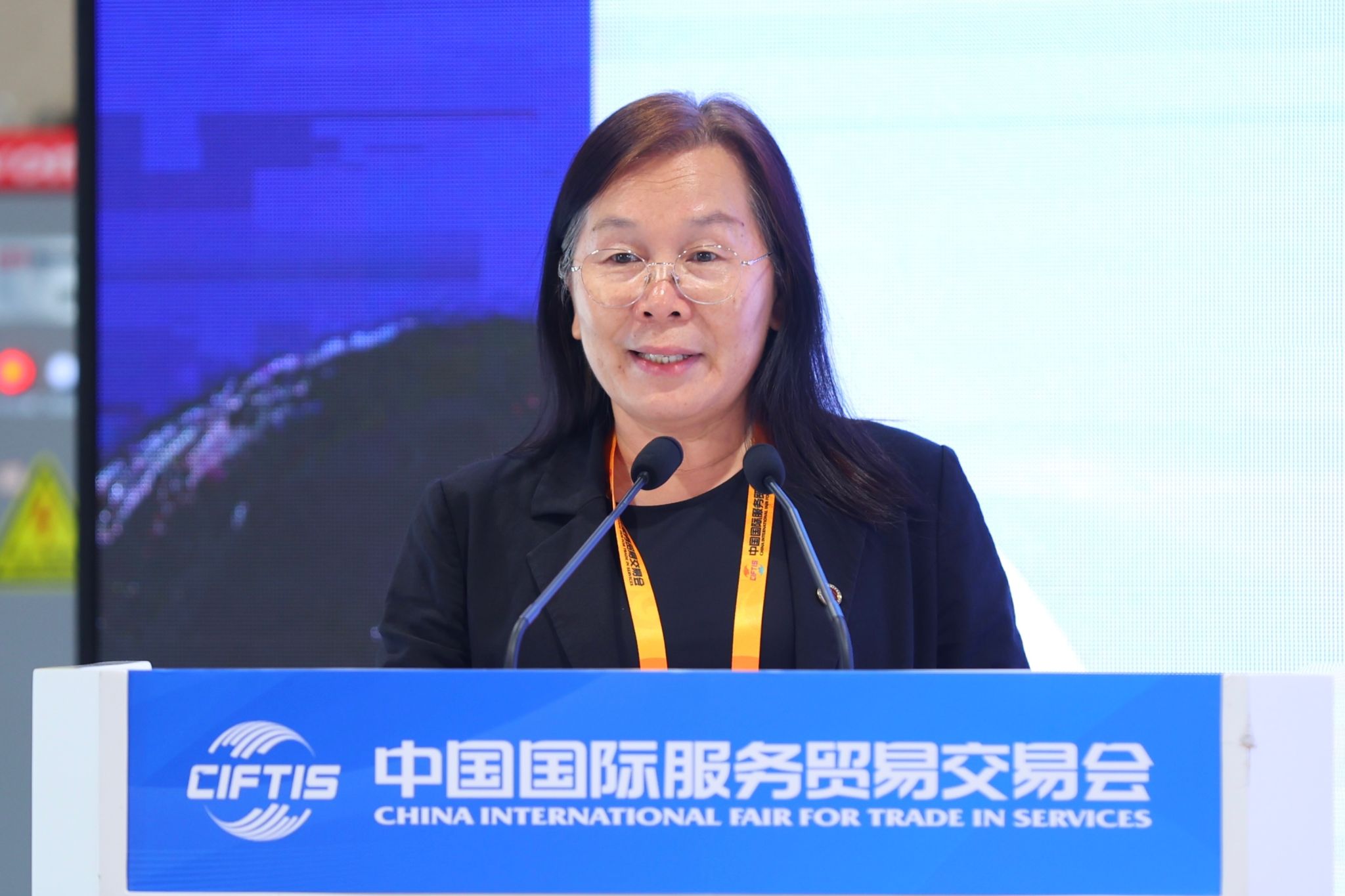
Ye Jingyi Delivers Remarks
In her opening remarks, Ye Jingyi, Vice Chairperson of the Peking University Council and former Deputy Secretary of the CPC Peking University Committee, said that Peking University upholds the traditions of patriotism, progress, democracy, and science; promotes the academic ethos of diligence, rigor, truth-seeking, and innovation; and has always regarded service to national strategies as a core mission. In recent years, Peking University has actively contributed to the development of a Digital China and a strong aerospace nation, making sustained efforts in talent development, scientific research, and international cooperation and providing robust intellectual support for the country's digital transformation and advancement in space science and technology. Ye expressed her pleasure at witnessing the educational partnership between Peking University and Zhejiang International Studies University across a considerable geographical distance, as well as the convening of the thematic forum and the achievements resulting from their cooperation. She added that iGCU has fully performed its role as a bridge and platform, working with the Institute of Urban Internationalization Studies at ZISU and other institutions to advance smart-city assessment, while joining world-class research institutions such as Tsinghua University and The Chinese University of Hong Kong, Shenzhen, to build a globally influential research network. She expressed the hope that participants would exchange ideas and insights at the forum and contribute to building a community with a shared future for humanity and a better future through more high-quality intellectual outputs and people-to-people and cultural exchanges.
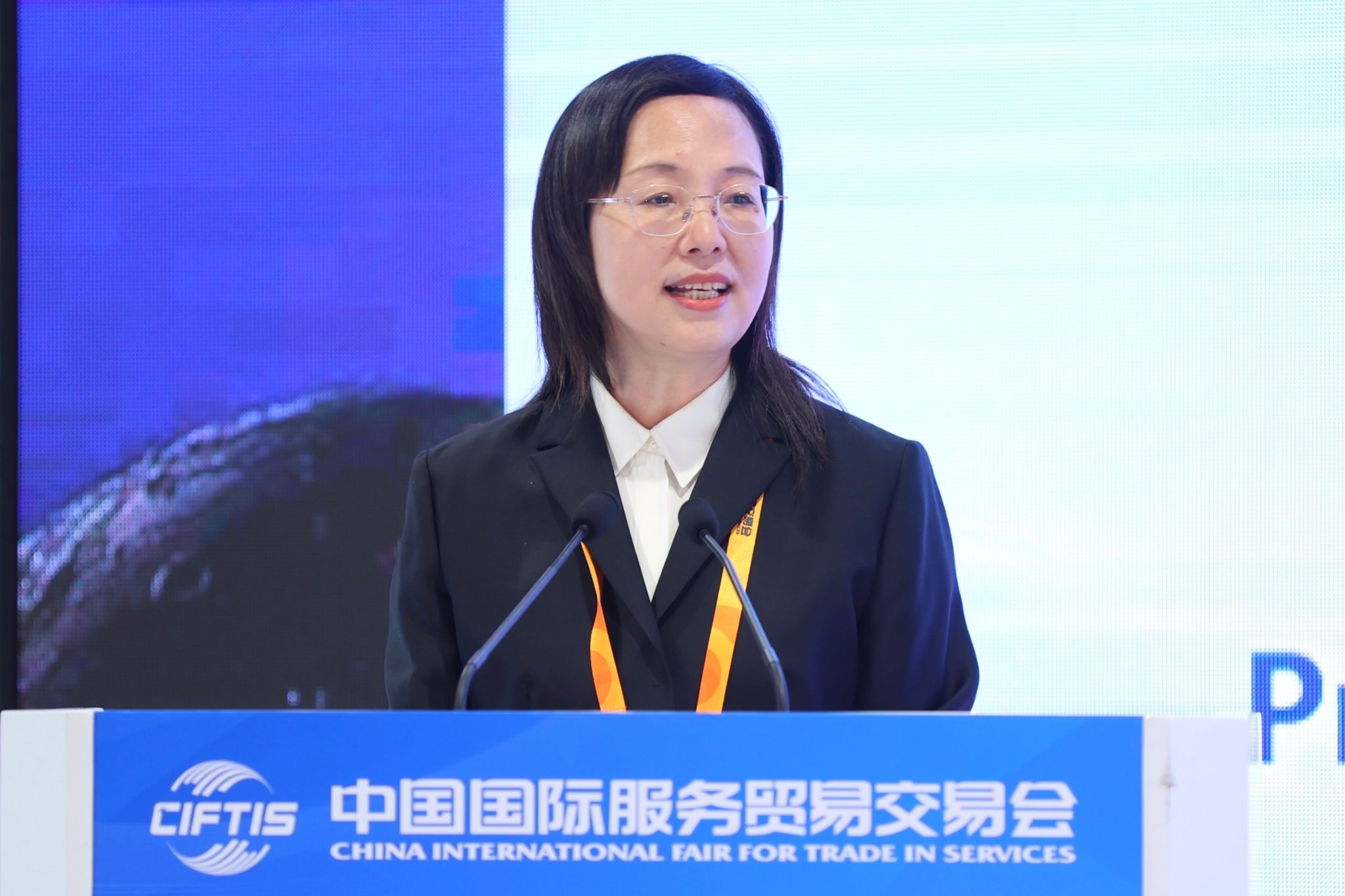
Zhang Huanzhou Delivers Remarks
In her opening remarks, Zhang Huanzhou, Secretary of the CPC Committee of Zhejiang International Studies University, said that, building on the strategic opportunity created by the 2024 cooperation between the People's Government of Zhejiang Province and Peking University to support the development of “an internationally renowned foreign-language university distinguished by its service to new forms of international relations,” Peking University and ZISU have carried out close cooperation in scientific research, talent development, and international exchange and cooperation. This CIFTIS thematic forum is one such outcome and has now been held for three consecutive years. Each year, the forum releases several assessment reports on smart cities and space infrastructure. The related outputs have received the special prize in national think-tank achievement evaluations for consecutive years, providing important global intellectual products on how the coordinated development of diverse infrastructure can promote regional integration and interstellar connectivity. The two reports to be released at this forum — the 2026 APEC Smart City Ranking and the 2026 Global Space Infrastructure Assessment — not only maintain a sustained focus on urban and space governance, but also convey a response from Beijing and Hangzhou to the APEC Summit to be held in Shenzhen in November. In closing, she said that ZISU has always been committed to serving China's strategy of high-level opening-up and is willing to continue working with all parties to advance this endeavor in greater depth, with stronger foundations and lasting effect.
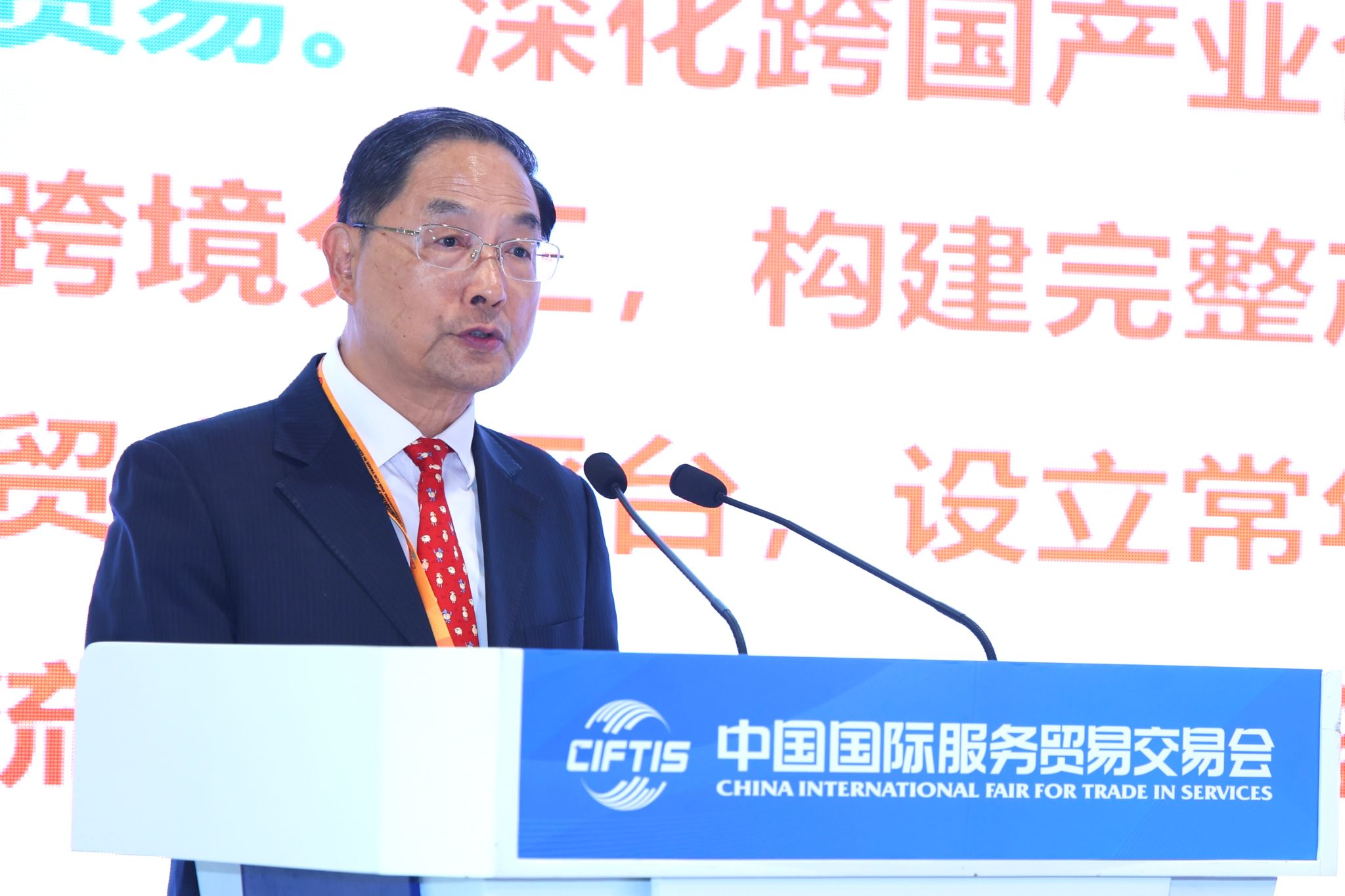
Jiang Yaoping Delivers a Keynote Speech
Jiang Yaoping, former Vice Minister of Commerce, delivered a keynote speech titled “Unimpeded Trade, Smart Cities, and Interstellar Connectivity — Building a New Vision for Regional Economic and Trade Cooperation.” Jiang said that the recommendations for the 15th Five-Year Plan explicitly call for the innovative development of digital trade, the orderly expansion of openness in the digital domain, stronger trade-promotion platforms, and support for new business forms and models such as cross-border e-commerce. Smart cities have become both fertile ground and a benchmark for digital trade, while space infrastructure serves as the “space-based artery” supporting global digital trade. At the same time, AI is injecting strong momentum into the integrated advancement of “unimpeded trade, smart cities, and interstellar connectivity” and the creation of a new vision for regional economic and trade cooperation. To raise such cooperation to a higher level, he offered three recommendations: first, align digital rules to open a “soft channel” for high-level opening-up; second, use space facilities as hard infrastructure to create a “fast track” for integrated space-ground trade; and third, use industrial cooperation as an engine to unlock new functions for regional economic and trade cooperation. Jiang concluded by calling on all parties to jointly develop a new model of integrated space-ground, mutually beneficial regional economic and trade cooperation, inject strong momentum into the sustainable development of the global economy, and create a better future for human digital civilization.
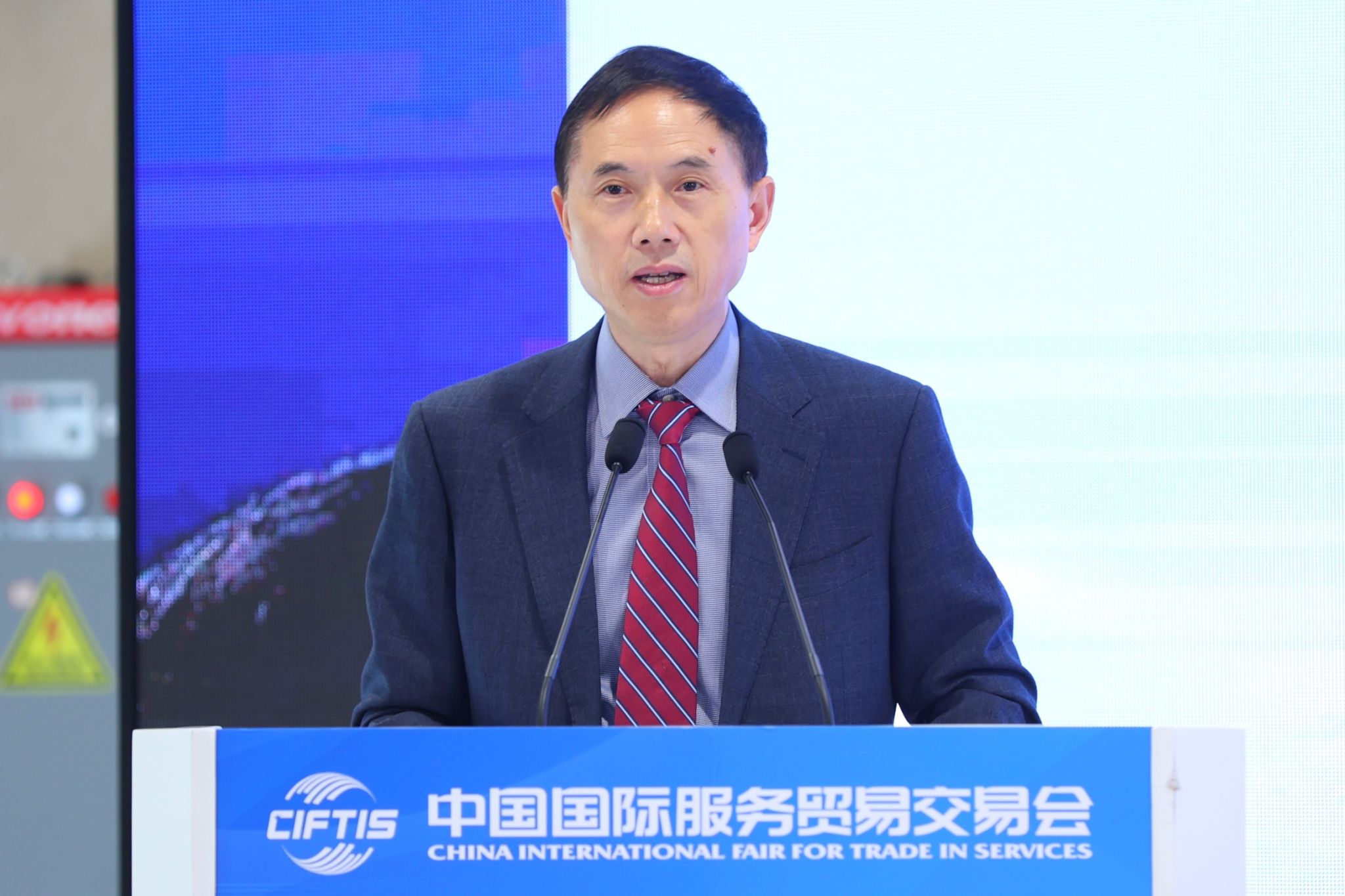
Zhou Qiangwu Delivers a Keynote Address
Zhou Qiangwu, former Vice President and Chief Administrative Officer of the New Development Bank (NDB), delivered a keynote address titled “Global South Cooperation from the Perspective of the New Development Bank.” Zhou stated that the post-World War II multilateral system, underpinned by the United Nations, the World Bank, the International Monetary Fund, and the multilateral trading system, laid the foundation for global peace and development and broadly benefited developing countries. The world now stands at another crossroads: should it uphold multilateralism and defend fairness and justice, or allow confrontation and the law of the jungle to intensify? History has shown that tariff wars, unilateral sanctions, and the use of force cannot solve these problems. Without a correction of course, the world risks slipping into a new “dark forest” era. Against this background, the Global South is moving to the center of the international stage. New multilateral cooperation platforms, including BRICS, the Shanghai Cooperation Organisation, the Asian Infrastructure Investment Bank, and the New Development Bank, continue to emerge, advancing reform of global governance while serving their members' development needs. Established by and for the Global South, the NDB has achieved substantial results in its first decade of operation through an equitable system of representation, innovative financing mechanisms, and a recipient-country-centered approach. As the world's largest developing country, a founding member of the NDB, and the Bank's host country, China firmly supports the NDB's high-quality development. Looking ahead, China will deepen solidarity and cooperation with the Global South, continue to advance the Belt and Road Initiative, implement the four global initiatives, and take cooperation within the Global South to a new level.
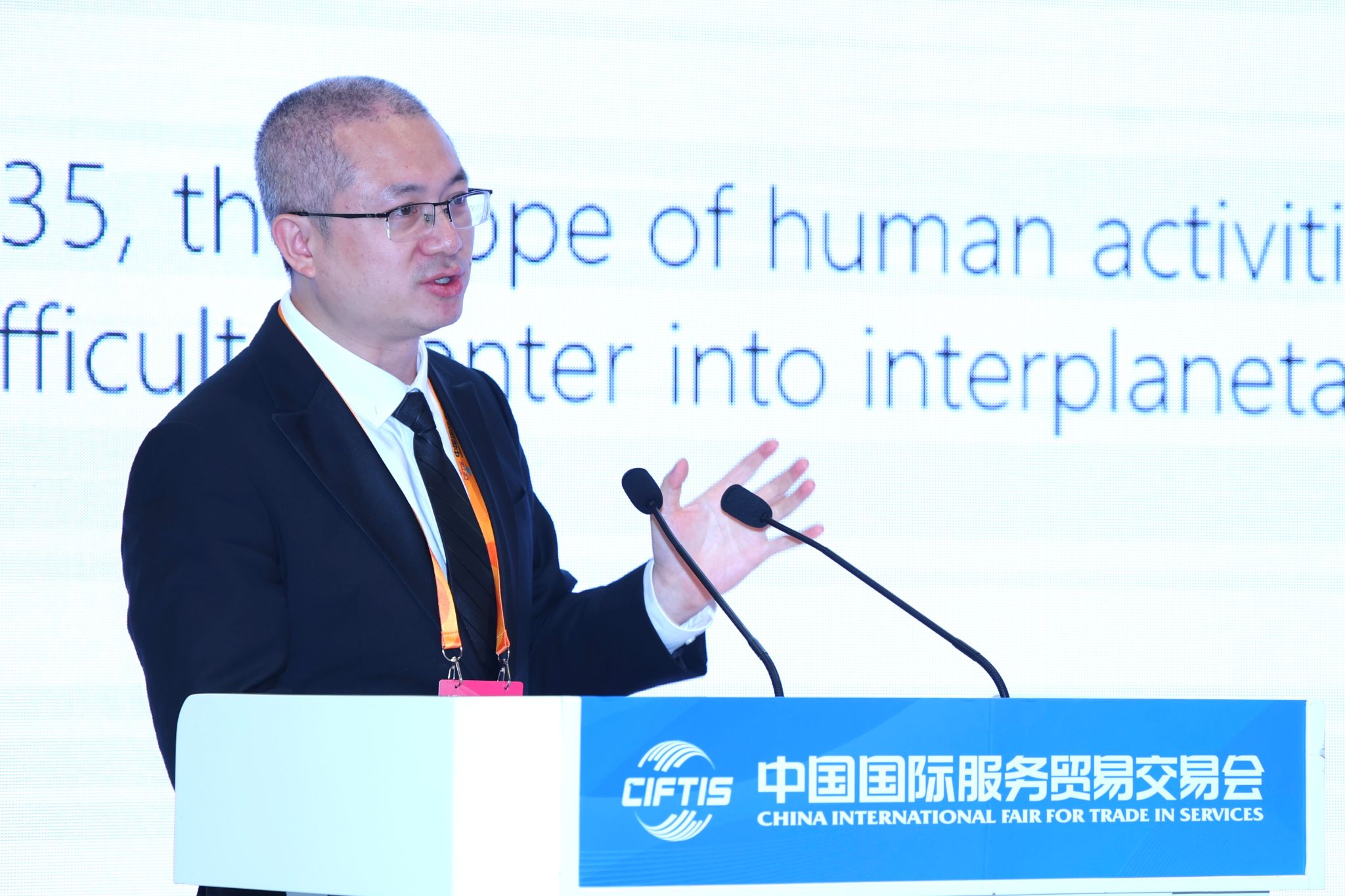
Chen Xi Presents the Reports
The 2026 APEC Smart City Ranking and the 2026 Global Space Infrastructure Assessment were the principal outcomes of the thematic forum. They were presented by Chen Xi, Specially Appointed Professor at Zhejiang International Studies University, Director of its Institute of Urban Internationalization Studies, and founder of Harbor Overseas. Drawing on more than 10,000 data sets and the joint assessments of experts from multiple fields, the two reports provide a comprehensive account of the global development of smart cities and space infrastructure, together with a forward-looking reference framework for the medium- and long-term development of the relevant sectors.
During the launch, Chen explained that the two reports had been jointly released by several universities and had attracted considerable attention in developed economies; readers in China and the United States together accounted for more than 60 percent of the readership. The reports establish a unified evaluation framework and assess smart-city development in 196 cities, as well as the development of multiple space-infrastructure systems, across the coordinated dimensions of conventional, digital, and institutional infrastructure. They conclude that China and the United States hold a commanding lead in hardware capabilities in the relevant fields. The reports project that impediments arising from geopolitical contestation will continue to intensify through 2030 and identify coordinated development across multiple forms of infrastructure and deeper regional integration as important means of mitigating development risks. The overall pattern of global development is expected to remain stable through 2035. After 2040, industry may evolve toward new forms of information space, with the space domain emerging as a major frontier of global technological competition and international cooperation.
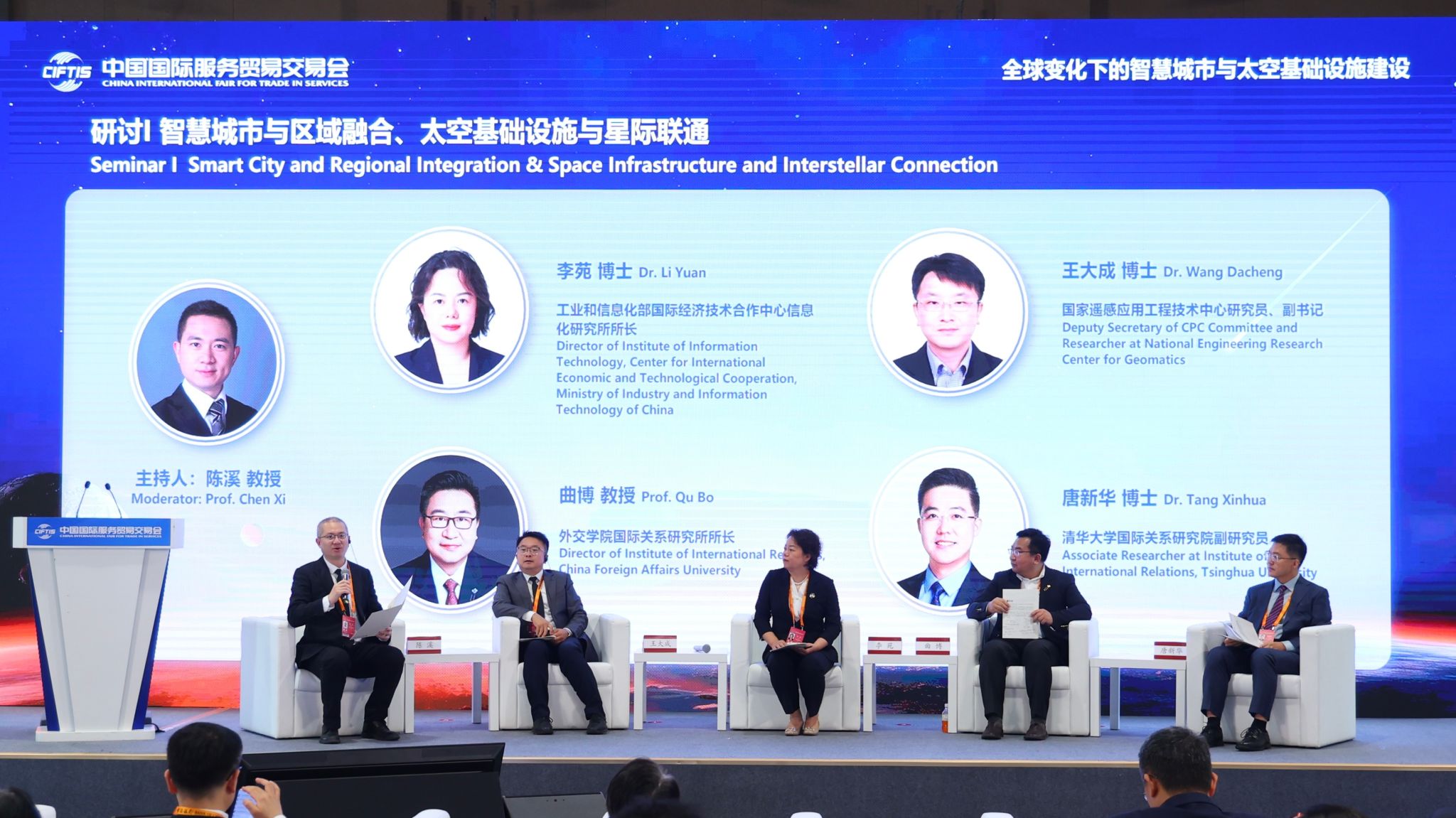
Panel Discussion
Panel I, “Smart Cities and Regional Integration, Space Infrastructure and Interstellar Connectivity,” was moderated by Chen Xi, Professor at Zhejiang International Studies University. Li Yuan, Director of the Institute of Information Technology at the Center for International Economic and Technological Cooperation of China's Ministry of Industry and Information Technology, explained that the Ministry had led China's participation in the BRICS Meetings of Ministers of Industry and the BRICS Communications Ministers' Meetings, while also promoting the establishment of the BRICS Partnership on New Industrial Revolution. The mechanism fully respects the needs of BRICS countries and seeks the broadest possible consensus. Information and communications infrastructure is discussed primarily within the framework of the communications ministers' meetings; exchanges in recent years have focused on innovative coordination and cooperation in areas including new infrastructure development, AI, and next-generation communications networks. Qu Bo, Director of the Institute of International Relations at China Foreign Affairs University, observed that current geopolitical competition between China and the United States also extends to technology governance. Compared with the United States, China's governance model is more conducive to forging new policy consensus with countries of the Global South. In both smart cities and outer-space infrastructure, South-South cooperation offers considerable scope and vitality. Wang Dacheng, Researcher and Deputy Secretary of the CPC Committee at the National Engineering Research Center for Geomatics, stated that unified standards and interfaces are required to establish an integrated space-air-ground system, build smart cities on Earth and in cislunar space, coordinate data, technology, and governance for space infrastructure, and facilitate the transfer of services and technologies. In addition to establishing observation models based on satellite data, the future development of information infrastructure in extraterrestrial space should be guided throughout by the principles of green and sustainable development, with close attention to the sustainable and integrated use of environmental resources. Tang Xinhua, Associate Researcher at the Institute of International Relations at Tsinghua University, argued that competition over technological systems has become a major arena of scientific and technological rivalry among major powers. BRICS countries urgently need to establish an open and inclusive technological ecosystem and narrow both the digital and AI divides. New models of infrastructure cooperation are already being explored and are likely to become an important direction for future BRICS cooperation.
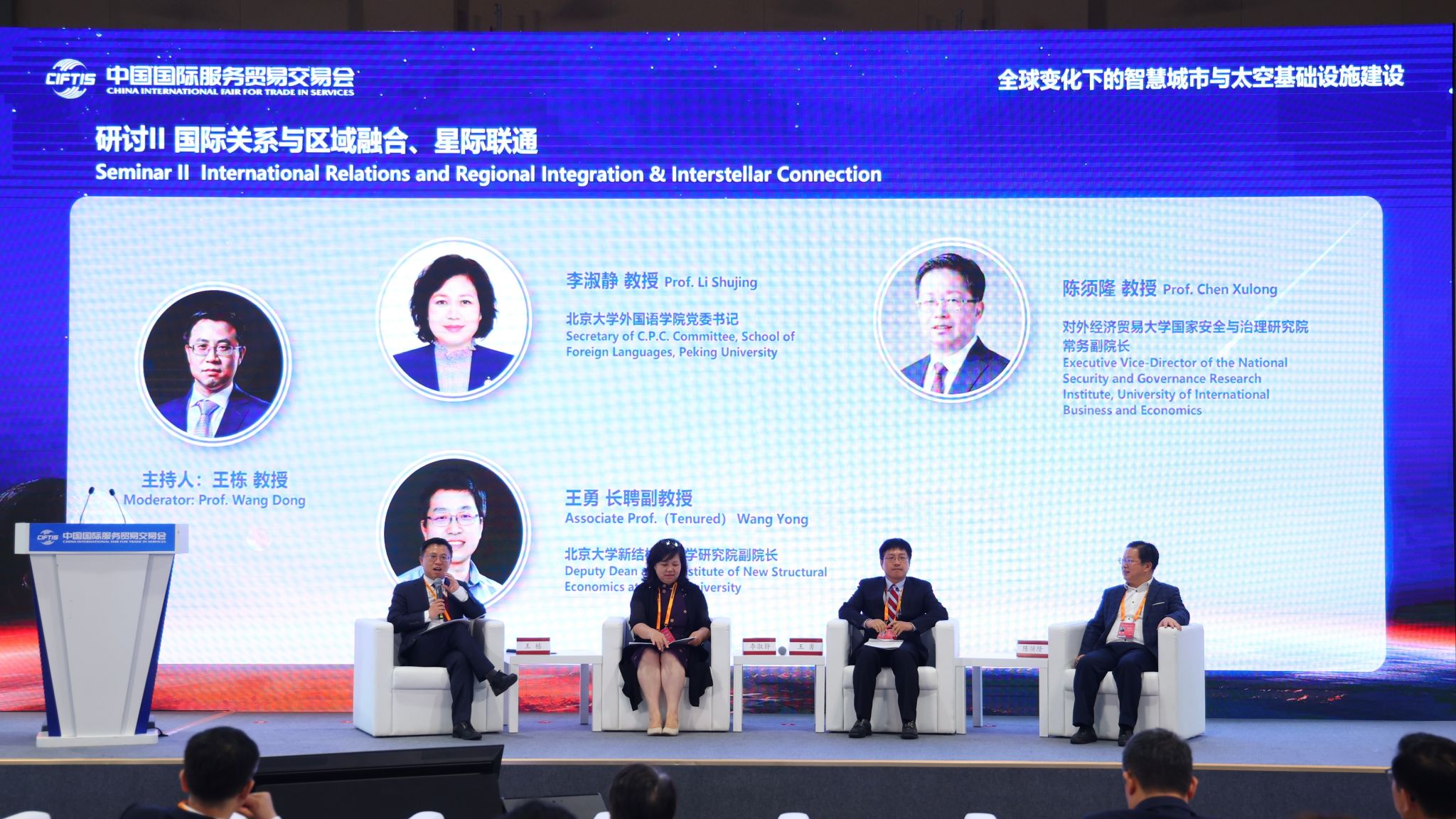
Panel Discussion
Panel II, “International Relations and Regional Integration, Interstellar Connectivity,” was moderated by Wang Dong, Professor at the School of International Studies, Peking University, and Executive Director of iGCU. Li Shujing, Secretary of the CPC Committee of the School of Foreign Languages at Peking University, stated that face-to-face human interaction remains indispensable regardless of technological and social development. As foreign-language education undergoes transformation, it must respect human agency while developing students' capacity for field research, thereby cultivating graduates who possess not only linguistic competence but also cultural understanding and an understanding of people and their concerns. Chen Xulong, Executive Vice Director of the Institute of National Security and Governance at the University of International Business and Economics, stated that China's diplomacy in the new era has entered a new era of connectivity-oriented diplomacy. From the Belt and Road Initiative to the four global initiatives, and from hard connectivity to soft connectivity, China's understanding and practice of connectivity in diplomacy have continued to deepen. As humanity moves toward an interstellar civilization, the study of international relations must likewise broaden its horizons; the two reports released at the forum offer valuable insights in this regard. Wang Yong, Deputy Dean and Tenured Associate Professor at the Institute of New Structural Economics at Peking University, examined South-South cooperation from a financial perspective. He argued that development finance should make effective use of China's own position as a country of the Global South. China's stage of industrial development and industrial structure are more complementary to those of other Global South countries, creating additional opportunities for industrial transfer and cooperation.
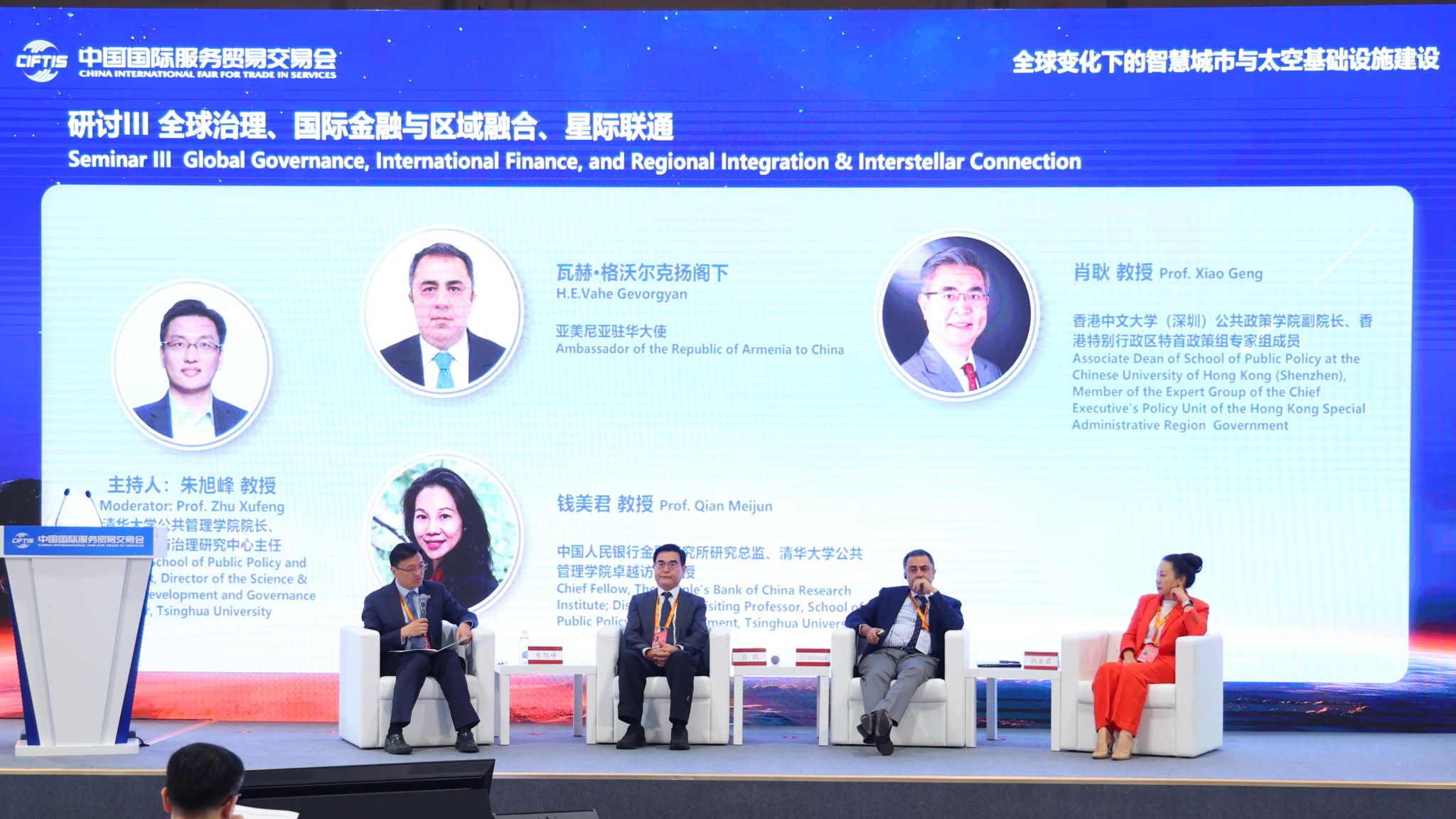
Panel Discussion
Panel III, “Global Governance, International Finance and Regional Integration, Interstellar Connectivity,” was moderated by Zhu Xufeng, Dean of the School of Public Policy and Management and Director of the Center for Science and Technology Development and Governance at Tsinghua University. Vahe Gevorgyan, Ambassador of the Republic of Armenia to China, stated that space technology is an important means by which landlocked and mountainous countries can strengthen national connectivity and improve disaster prevention and mitigation. In the face of geopolitical contestation, small states should safeguard their technological sovereignty and pursue diversified international cooperation in the digital and space domains. Xiao Geng, Associate Dean of the School of Public Policy at The Chinese University of Hong Kong, Shenzhen, and a member of the Expert Group of the Chief Executive's Policy Unit of the Hong Kong Special Administrative Region, argued that institutional interoperability is central to cross-border smart-city cooperation. Under “one country, two systems,” Hong Kong can realize its value as a super-connector and financial hub. In cooperation with the Global South, collaboration among industry, universities, and research institutions can better balance the interests of multiple parties. Qian Meijun, Research Director at the Research Institute of Finance of the People's Bank of China and Distinguished Visiting Professor at the School of Public Policy and Management at Tsinghua University, explained that multilateral development finance institutions can share early-stage risks and mobilize private capital for high-risk digital and space infrastructure. In the digital age, financing choices are closely intertwined with data governance, while cross-border data governance still lacks a mature institutional framework.
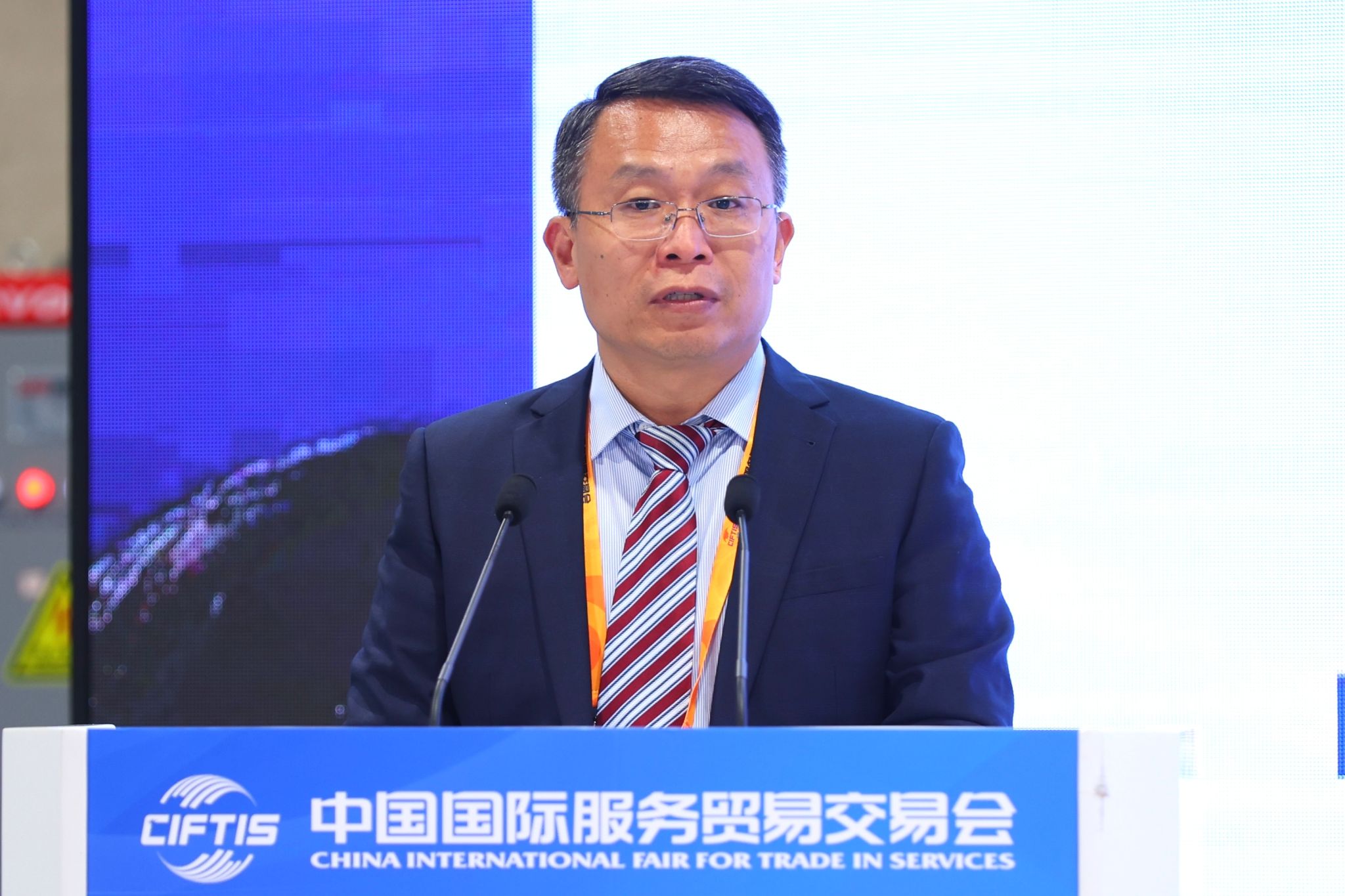
Mao Zhenhua Delivers the Closing Remarks
Mao Zhenhua, Vice President of Zhejiang International Studies University, delivered the closing remarks. He praised the forum's forward-looking perspectives on smart cities and regional integration, space infrastructure and interstellar connectivity, and their implications across technology and industry, international relations, global governance, and international finance. He argued that geopolitical and technological competition would create formidable impediments between 2027 and 2035. Clusters of smart cities developed through the coordinated construction of diverse forms of infrastructure would provide an effective means of advancing regional integration and mitigating risk. Between 2035 and 2040, as human activity gradually extends into Earth-Mars space, extraterrestrial space will become a new arena of competition. Peking University, Tsinghua University, The Chinese University of Hong Kong, Shenzhen, the Chinese Academy of Sciences, Zhejiang International Studies University, and other research institutions will continue to deepen their cooperation, draw on their respective disciplinary strengths, and produce high-quality think-tank research. These institutions will promote coordinated efforts by Beijing, Hangzhou, and Shenzhen to build a leading source of ideas on global governance and contribute Chinese expertise and approaches to global development.
The 2026 CIFTIS thematic forum, “Building Smart Cities and Space Infrastructure in a Changing World — Release of the 2026 APEC Smart City Ranking and the 2026 Global Space Infrastructure Assessment,” concluded successfully. The release of the two reports demonstrated China's active participation in global science and technology governance and its fulfillment of the responsibilities of a major country. The reports offer implementation pathways and development models for BRICS countries and the Global South, and represent a substantive effort by China to deepen international cooperation and explore global rules in pioneering interdisciplinary fields. They will continue to be made publicly available worldwide, providing a reference for policymakers, research institutions, and enterprises in all countries and informing cooperation and action concerning the planning, development, investment, and operation of major global projects. This work will consolidate Beijing's role as a leading source of ideas on global governance, accelerate the internationalization and professionalization of CIFTIS and Beijing's comprehensive opening-up, and help establish a new hub for China-hosted diplomacy and global governance.
The China International Fair for Trade in Services (CIFTIS) is a large-scale international and comprehensive exhibition and trading platform dedicated to trade in services. Through successive editions, it has developed into the world's largest comprehensive exhibition in the field of trade in services. The 2026 CIFTIS featured 15 thematic forums and more than 190 forum sessions, business negotiations, and promotional events. Participants included representatives from 90 countries, regions, and international organizations; more than 1,830 enterprises mounted exhibitions or organized events; and 473 Fortune Global 500 companies and industry leaders took part in exchanges. Ding Xuexiang, Member of the Standing Committee of the Political Bureau of the CPC Central Committee and Vice Premier of the State Council, attended the 2026 Global Trade in Services Summit and delivered a keynote address.







 Subscription